

Back and neck pain affect millions of people around the world, often disrupting work, sleep, and everyday activities. While surgery is a well-known solution for spinal problems, it’s not always the most appropriate or necessary choice. In fact, many patients can experience significant relief through non-surgical spine care, especially when treatments are customized to fit their unique condition and lifestyle.
Non-surgical spine care focuses on addressing pain and restoring function without invasive procedures. This includes a range of options such as physical therapy, spinal decompression, chiropractic care, regenerative medicine, and pain management techniques like injections or medication. These methods are often effective in reducing inflammation, improving mobility, and strengthening muscles to better support the spine.
Choosing non-surgical care can also lead to faster recovery times, fewer complications, and lower overall costs compared to surgical intervention. It is particularly suitable for conditions such as herniated discs, degenerative disc disease, muscle strain, and sciatica.
Ultimately, the decision between surgery and conservative treatment should be made with the guidance of a spine specialist. For many patients, starting with non-invasive care provides a safe and effective pathway to relief—one that helps them return to daily life without the risks and downtime of surgery.

Your spine is a complex and essential part of the body, composed of vertebrae, intervertebral discs, nerves, ligaments, and muscles working together to provide structure, flexibility, and protection. It serves as the main support system for the upper body while safeguarding the spinal cord, which transmits signals between the brain and the rest of the body. Because of its crucial role, maintaining spinal health is vital for overall well-being.
However, the spine is susceptible to various stressors. Poor posture, repetitive movements, aging, traumatic injuries, and medical conditions such as arthritis or degenerative disc disease can all negatively impact spinal alignment and function. Over time, these issues can lead to chronic pain, limited mobility, and even nerve damage if not addressed.
Early warning signs that your spine may be in trouble include persistent back or neck pain, muscle stiffness, numbness or tingling in the limbs, and pain that radiates to other parts of the body, such as the arms or legs. Recognizing and addressing these symptoms early can prevent more serious complications.
Seeking timely evaluation and care from a spine specialist is key. With proper diagnosis and treatment, many spinal issues can be managed effectively—often without the need for surgery.
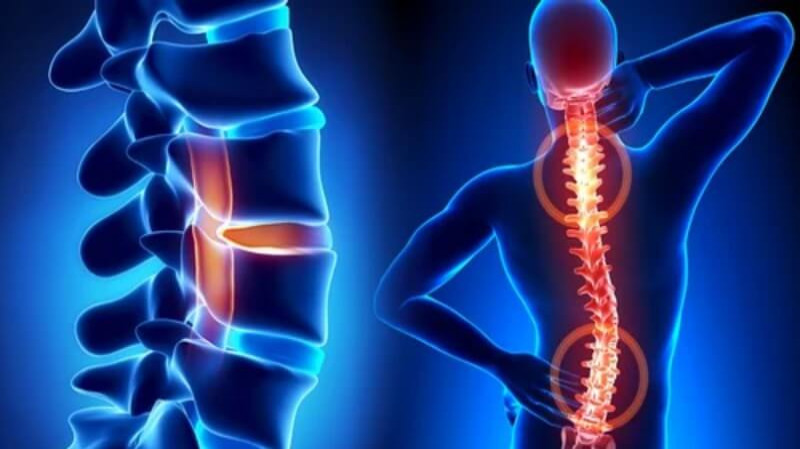
Several conditions can lead to spine-related pain and dysfunction, each affecting mobility and quality of life in different ways. One of the most common issues is a herniated disc, where the inner gel-like material of a spinal disc pushes through its outer layer. This bulging disc can press against nearby nerves, causing symptoms such as sharp pain, numbness, or weakness, typically radiating down the arms or legs.
Another prevalent condition is degenerative disc disease, which results from the natural aging process. Over time, the spinal discs lose hydration and elasticity, reducing their ability to cushion the vertebrae. This deterioration can lead to chronic discomfort, stiffness, and limited movement.
Spinal stenosis occurs when the spinal canal narrows, putting pressure on the spinal cord and nerves. This compression often results in pain, tingling, or numbness—particularly in the lower back or legs—and can make walking or standing for extended periods difficult.
Other contributors to spinal pain include sciatica, which is caused by irritation of the sciatic nerve and typically results in shooting pain down one leg, and scoliosis, an abnormal curvature of the spine that can lead to uneven posture and persistent discomfort.
Understanding the underlying cause is essential for effective treatment, whether surgical or non-surgical.
Non-surgical spine care focuses on improving spinal function, reducing pain, and enhancing the body’s natural healing abilities—without the need for invasive procedures. This approach is often the first line of treatment for many individuals suffering from back or neck pain, especially when the condition isn’t severe enough to warrant surgery or when patients prefer a more conservative option.
One of the most common non-surgical treatments is physical therapy, which uses targeted exercises to strengthen muscles, improve flexibility, and correct posture. This not only alleviates current pain but also helps prevent future injuries. Chiropractic adjustments and manual therapy can also provide relief by restoring proper alignment and reducing pressure on nerves.
Spinal decompression therapy, a non-invasive technique that gently stretches the spine, can relieve pressure on discs and nerves—particularly helpful for herniated discs and sciatica. Additionally, regenerative medicine options like platelet-rich plasma (PRP) and stem cell therapy are emerging as promising treatments that tap into the body’s natural repair mechanisms.
Pain management strategies, including NSAIDs, muscle relaxants, and steroid injections, can provide temporary relief while other therapies work to resolve the root cause. Combined, these non-surgical treatments offer a holistic, effective approach to managing spine-related issues.
Physical therapy is usually the first line of defense. Through exercises and stretches tailored to the patient’s needs, physical therapy strengthens spinal support muscles, improves flexibility, and relieves nerve pressure. This often results in significant pain relief over time.
Spinal decompression therapy gently stretches the spine using a motorized table to reduce pressure on discs and nerves. It’s particularly helpful for herniated discs and sciatica.
Chiropractic care involves hands-on spinal adjustments that restore alignment and alleviate nerve interference. Many people find chiropractic treatment helpful for acute and chronic pain management.
Regenerative medicine, such as stem cell therapy and platelet-rich plasma (PRP) injections, aims to promote tissue repair and reduce inflammation by utilizing the body’s own healing properties.
Medications, including NSAIDs (non-steroidal anti-inflammatory drugs), muscle relaxants, and nerve pain medications, are often prescribed to manage acute flare-ups and enable other treatments to work more effectively.
Lastly, lifestyle modifications like losing weight, improving posture, quitting smoking, and staying active are long-term solutions that support spinal health and prevent recurrence.

Non-surgical treatment should be your first option when dealing with back or neck pain that isn’t caused by a medical emergency or severe structural damage. In many cases, conditions like herniated discs, muscle strains, degenerative disc disease, or mild spinal stenosis respond well to conservative care. These approaches can effectively reduce pain, restore mobility, and prevent the need for more invasive procedures.
When symptoms are manageable, not progressing rapidly, or not accompanied by serious neurological deficits (such as loss of bladder or bowel control), non-surgical treatments are often recommended first. They come with fewer risks, lower costs, and shorter recovery times compared to surgery. Options such as physical therapy, spinal decompression, chiropractic care, medication, and regenerative treatments like PRP or stem cell therapy are designed to support healing naturally.
Even when surgery is eventually required, beginning with non-surgical care can improve outcomes and better prepare your body for a possible future procedure. It’s also worth noting that many patients achieve long-term relief through these methods alone. Always consult with a spine specialist to evaluate your symptoms and determine the best course of action. Starting with a conservative, evidence-based approach is a safe, smart first step toward lasting relief:
If your pain responds to physical therapy, medications, or decompression therapy, surgery may not be necessary. Non-surgical care is also appropriate for people who want to delay surgery while trying conservative options.
When facing chronic or severe back and neck pain, choosing between surgical and non-surgical treatments is a critical decision. Both approaches have their place in spine care, but understanding the advantages and limitations of each is essential.
Surgical intervention is sometimes necessary—especially in cases of significant spinal instability, severe disc herniation, or conditions that don’t respond to conservative treatments. Surgery can provide quick and lasting relief for some patients, but it also carries inherent risks, including infection, nerve damage, and prolonged recovery time. Additionally, post-surgical rehabilitation can be extensive, and results are not always guaranteed.
In contrast, non-surgical spine care offers a more conservative approach with fewer risks and a quicker return to normal activities. Treatments such as physical therapy, spinal decompression, chiropractic adjustments, and regenerative medicine target pain and dysfunction while supporting the body’s natural healing process. These methods are typically less expensive and more accessible, and they can produce results comparable to surgery—especially when implemented early and consistently.
Ultimately, the best treatment depends on your specific condition, overall health, and personal preferences. Consulting a qualified spine specialist can help you explore all available options and create a personalized care plan that prioritizes both safety and effectiveness.
| Aspect | Non-Surgical Care | Surgical Care |
|---|---|---|
| Invasiveness | Non-invasive | Invasive (incisions, anesthesia) |
| Recovery Time | Shorter (days to weeks) | Longer (weeks to months) |
| Risk | Low risk of complications | Higher risk (infection, anesthesia issues) |
| Cost | Generally lower | Often more expensive |
| Long-Term Outcome | Effective for many cases | Best for severe or advanced conditions |
| Reversibility | Adjust or discontinue treatments easily | Surgical changes are permanent |
Q1: How long should I try non-surgical treatments before considering surgery?
A: Most physicians recommend trying non-surgical options for at least 6–12 weeks unless your symptoms are worsening rapidly or include neurological deficits.
Q2: Are non-surgical treatments effective for long-term relief?
A: Yes, many patients experience significant and lasting relief. However, ongoing maintenance through exercise and good habits is essential.
Q3: Is spinal decompression therapy painful?
A: No, it’s a gentle and controlled process that many patients find relaxing and therapeutic.
Q4: Can lifestyle changes alone improve my back pain?
A: In mild cases, yes. Improving posture, sleep habits, and body mechanics can make a big difference in preventing or reducing pain.
Q5: Are non-surgical treatments covered by insurance?
A: Most are. Physical therapy, chiropractic care, and medications are typically covered. Check with your insurance provider for specifics on regenerative medicine.
Q6: What are the potential risks of surgery for back and neck pain?
A: Surgery carries risks such as infection, nerve damage, prolonged recovery time, and potential failure to relieve pain. Non-surgical treatments help reduce these risks and may be effective in addressing the issue without the need for surgery.
Choosing non-surgical spine care is often a wise first step in managing persistent back or neck pain. Conservative treatments offer a lower-risk, less invasive alternative to surgery, making them an attractive option for many patients. Approaches like physical therapy, spinal decompression, chiropractic care, and regenerative medicine focus on addressing the root causes of pain while enhancing mobility and function.
These methods typically involve shorter recovery times, fewer complications, and can be tailored to fit each individual’s needs and lifestyle. In many cases, non-surgical care delivers results comparable to surgery—without the stress, downtime, or potential side effects of an invasive procedure.
If you’re struggling with spinal discomfort, it’s important to consult a qualified healthcare provider who can accurately diagnose your condition and guide you toward the most effective treatment. Choosing a conservative care plan isn’t about avoiding treatment—it’s about embracing a safer, evidence-based path toward long-term relief and healing.
Find Relief Today—Without Surgery
At Keller Disc & Spine, we specialize in non-surgical spine solutions that get results. Our team of experts uses advanced techniques to help patients regain mobility and live pain-free—without the need for invasive procedures.
📞 Call us today at (817) 656-1615
📍 Visit us at 1710 Rufe Snow Dr #120, Keller, TX 76248
🌐 Learn more at https://kellerdiscspine.com
Take control of your spine health. Schedule your personalized evaluation today.