
Back and neck pain are among the leading causes of disability worldwide. According to the American Chiropractic Association, about 80% of adults will experience back pain at some point in their lives. For some, the pain is temporary and manageable, but for many others, it becomes a chronic condition that disrupts work, sleep, exercise, and overall quality of life.
Traditionally, patients with persistent or severe spinal problems were often told that surgery was the only option. But surgery carries risks—such as infection, complications, scarring, and long recovery times—and in some cases, it may not even resolve the pain fully.
Fortunately, advances in non-surgical treatments now provide new hope. One of the most effective solutions available today is Spinal Decompression Therapy. This treatment has been shown to relieve pain, restore spinal health, and help patients return to active lifestyles—without the risks of invasive procedures.
At Keller Disc and Spine, we specialize in spinal decompression therapy and take a holistic approach to back and neck health. In this article, we’ll explore what spinal decompression is, how it works, who it can help, and why it might be the right solution for you.
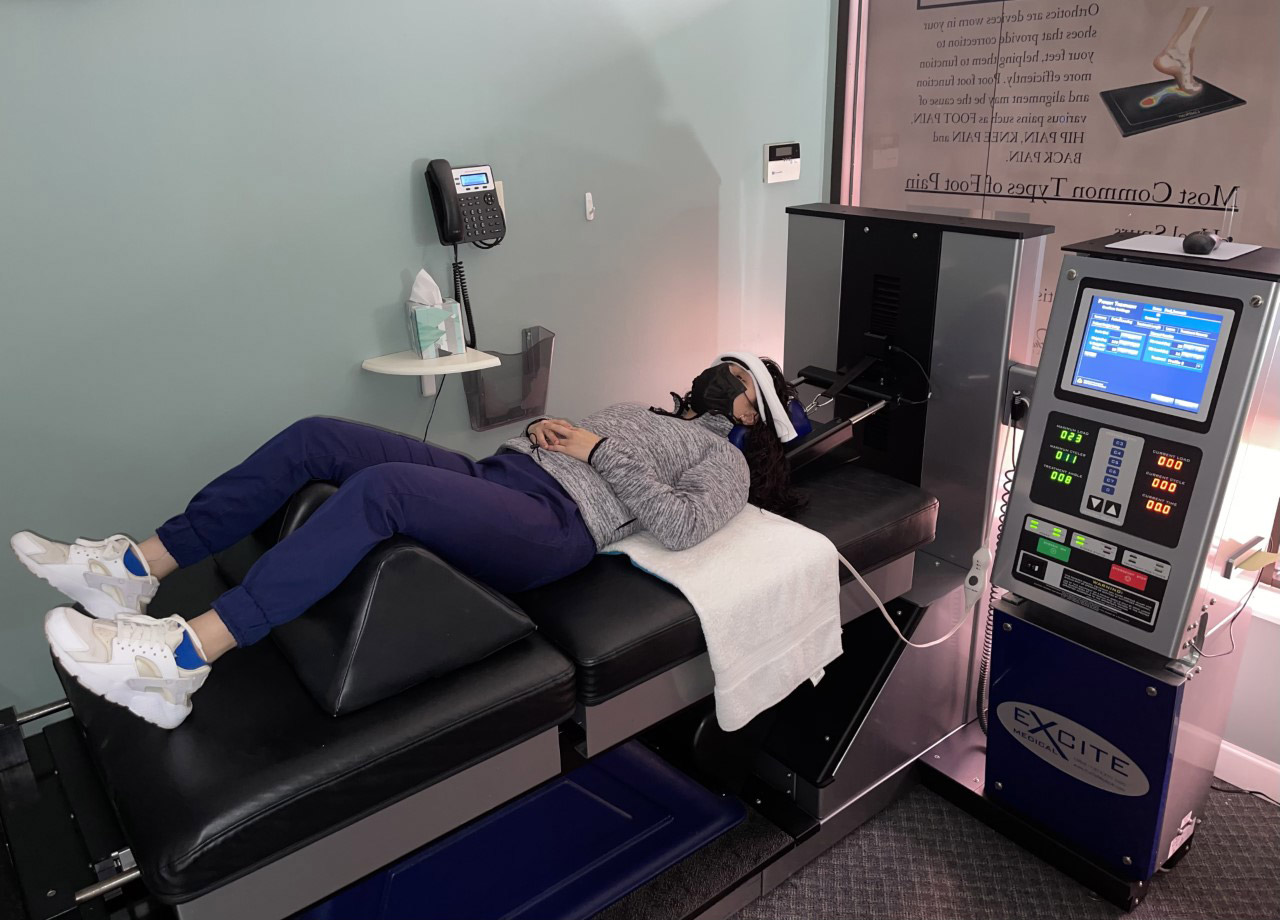
Spinal decompression therapy is a non-invasive, FDA-cleared treatment designed to relieve back pain and promote healing by gently stretching the spine. Performed on a specialized, computer-controlled decompression table, the therapy works by creating negative pressure within the spinal discs. This controlled pressure change allows bulging or herniated disc material to retract, taking pressure off nearby nerves and reducing pain, tingling, or numbness. At the same time, the therapy helps stimulate the flow of oxygen, water, and nutrient-rich fluids back into the discs, supporting the body’s natural healing process.
An easy way to imagine this is to think of a spinal disc like a sponge. When compressed, the sponge leaks fluid, becoming less hydrated and more prone to damage. Spinal decompression acts like a gentle vacuum, carefully pulling the disc material back into place while restoring hydration. Over time, this improved circulation strengthens and revitalizes the discs, helping them heal and function properly.
Many patients find spinal decompression helpful for conditions such as herniated discs, degenerative disc disease, sciatica, and chronic lower back pain. Since the treatment is non-surgical and drug-free, it is often chosen as a safe and effective alternative to more invasive procedures, with the goal of long-term pain relief and improved spinal health.
Spinal decompression is particularly beneficial for people suffering from chronic back and neck conditions that are often caused by pressure on the spinal discs and nerves. Conditions such as herniated or bulging discs, degenerative disc disease, sciatica, and spinal stenosis respond especially well to this form of therapy. By gently stretching the spine on a computer-controlled decompression table, the treatment creates negative pressure within the discs. This pressure change allows displaced disc material to retract, relieving nerve compression that often leads to pain, tingling, numbness, or weakness in the arms and legs.
Patients dealing with long-term lower back pain, pinched nerves, or injuries from repetitive strain may also find decompression therapy effective. It is especially valuable for individuals who have not found relief through traditional methods such as medication, physical therapy, or chiropractic adjustments. Because it is a non-surgical and drug-free treatment, it presents a safer alternative to invasive procedures, offering a path to healing without the risks of surgery or prolonged medication use.
Beyond pain relief, spinal decompression enhances circulation to the spinal discs, encouraging hydration and nutrient flow. This supports natural healing and strengthens the discs, making it not only a treatment for pain but also a solution for long-term spinal health.
Herniated or Bulging Discs – When discs slip or bulge, they press on surrounding nerves, causing sharp or radiating pain.
Degenerative Disc Disease – As discs lose hydration and height with age, decompression restores circulation and slows degeneration.
Sciatica – Pain that radiates from the lower back down one or both legs due to compression of the sciatic nerve.
Spinal Stenosis – Narrowing of the spinal canal that puts pressure on nerves, leading to pain, weakness, or numbness.
Facet Joint Syndrome – Inflammation of spinal joints that leads to stiffness and discomfort.
Chronic Back and Neck Pain – Especially for patients who have not found relief with other conservative treatments.
During treatment:
You lie fully clothed on a decompression table.
A comfortable harness is placed around your hips (for lumbar decompression) or neck (for cervical decompression).
The table uses a gentle, computer-controlled pulling motion to slowly stretch the spine.
This stretch creates negative intradiscal pressure, which draws herniated disc material back into place and improves nutrient flow.
The cycle alternates between stretching and relaxation, promoting circulation and disc rehydration.
A typical session lasts 30–45 minutes, and most patients complete a series of 20–30 sessions over 6–8 weeks. Many patients feel improvement within the first few sessions, while others notice gradual progress over time.
The key principle behind decompression therapy is the creation of negative pressure within the discs. Research shows that this negative pressure:
Pulls herniated or bulging material back into the disc.
Relieves pressure on pinched nerves.
Stimulates nutrient-rich fluids and oxygen to re-enter the disc.
Activates the body’s natural healing processes.
Unlike simple traction, spinal decompression is computerized and targeted, meaning it applies precise forces tailored to each patient’s condition.
Patients who undergo spinal decompression often report dramatic improvements in their quality of life. Benefits include significant pain relief, reduced nerve pressure, and improved mobility, allowing them to move more freely and comfortably. Many notice better posture and increased flexibility as their spine regains balance and function. The therapy also restores hydration and nutrient flow to the discs, promoting long-term spinal health. Because it is non-invasive, patients avoid the risks and downtime associated with surgery, making it easier to maintain daily routines. Overall, spinal decompression empowers individuals to return to active, pain-free living with renewed energy and confidence.
Pain Relief Without Surgery – Avoids risks, hospital stays, and long recovery.
Drug-Free Solution – Reduces dependency on pain medications that only mask symptoms.
Restores Mobility – Helps patients return to normal activities like walking, sitting, or exercising.
Promotes Healing – Supports disc repair instead of simply reducing pain.
Safe and Comfortable – Gentle stretching that most patients describe as relaxing.
Customizable – Adjusted to each patient’s spinal condition, weight, and needs.
You may be an excellent candidate for spinal decompression if you suffer from chronic back or neck pain caused by conditions such as herniated or bulging discs, sciatica, degenerative disc disease, or spinal stenosis. It is also beneficial for individuals experiencing numbness, tingling, or weakness in the arms or legs due to nerve compression. Patients who have not found lasting relief through medications, physical therapy, or chiropractic care often respond well to this treatment. Since spinal decompression is non-invasive and drug-free, it’s a safe option for many seeking long-term pain relief without surgery or extended recovery time.
Chronic back or neck pain.
Herniated, bulging, or degenerated discs.
Pain that radiates into the arms or legs.
Failed to find relief with chiropractic care, physical therapy, or medications.
Not suitable for:
Pregnant women.
Patients with spinal fractures, implants, or fusion.
Those with advanced osteoporosis, tumors, or infections.
A thorough evaluation at Keller Disc and Spine will determine whether spinal decompression is right for you.
Case 1: Office Worker with Sciatica
A 45-year-old IT professional developed severe sciatica from sitting long hours. After six weeks of spinal decompression, combined with core strengthening exercises, he reported over 70% pain reduction and returned to work comfortably.
Case 2: Retired Athlete with Herniated Disc
A 60-year-old former athlete struggled with chronic back pain after years of impact sports. Surgery was recommended, but he opted for spinal decompression. Within eight weeks, he regained mobility and was able to enjoy golf again without pain.
Case 3: Young Mother with Degenerative Disc Disease
A 35-year-old mother of two suffered from degenerative disc disease. She was hesitant about surgery due to childcare responsibilities. After completing her decompression sessions, she experienced significant pain relief and avoided invasive surgery.
When comparing spinal decompression to surgery, the differences highlight why many patients choose this non-invasive option. Spinal decompression carries minimal risk since it does not involve incisions, anesthesia, or invasive procedures. In contrast, surgery comes with higher risks such as infection, anesthesia complications, scarring, and even failed back surgery syndrome.
Recovery time is another major factor. Patients undergoing spinal decompression typically return to normal activities within days or weeks. Surgical recovery, on the other hand, can take months and may require extended rehabilitation, limiting daily activities and independence. Cost is also an important consideration. Spinal decompression is generally more affordable, while surgery often comes with significantly higher expenses due to hospital stays, operating room fees, and postoperative care.
Effectiveness is where spinal decompression truly shines. By gently stretching the spine and creating negative pressure within the discs, it addresses the root cause of pain by encouraging bulging or herniated material to retract and promoting disc healing. Surgery may relieve symptoms in some cases but does not always provide a permanent solution and sometimes creates new complications.
For many patients, spinal decompression offers a safer, more effective path to recovery. It not only relieves pain but also supports long-term spinal health while allowing patients to maintain their lifestyle.
To maximize the benefits of spinal decompression, it’s important to make supportive lifestyle changes:
Strengthen Your Core – Strong abdominal and back muscles stabilize the spine.
Practice Good Posture – Avoid slouching, especially when sitting at a desk.
Stay Active – Low-impact exercises like swimming, walking, and yoga keep the spine flexible.
Eat Anti-Inflammatory Foods – Omega-3s, leafy greens, berries, and lean proteins reduce inflammation.
Stay Hydrated – Water keeps discs hydrated and flexible.
Quit Smoking – Smoking reduces circulation and slows healing.
Q1: Is spinal decompression the same as traction?
No. While both stretch the spine, decompression is computer-controlled, targeted, and designed to create negative intradiscal pressure, which ordinary traction does not.
Q2: How soon will I feel results?
Some patients feel relief after just a few sessions, while others notice gradual improvement over several weeks.
Q3: Will the results last?
Yes—especially when combined with exercises, posture correction, and lifestyle changes. Many patients enjoy long-term relief.
Q4: Is spinal decompression safe?
Yes. It is FDA-cleared and considered safe for most patients. Side effects are rare and typically mild, such as slight soreness after sessions.
Q5: How many treatments will I need?
On average, 20–30 sessions over 6–8 weeks are recommended, depending on your condition.
Q6: Does insurance cover it?
Coverage varies. Our staff can help you understand your benefits and payment options.
Spinal decompression therapy is a safe, non-surgical, and highly effective treatment designed to help patients struggling with chronic back and neck pain. This advanced therapy gently stretches the spine, reducing pressure on the discs and nerves while restoring proper alignment. By creating negative pressure within the spinal discs, the treatment allows bulging or herniated material to retract and promotes the flow of vital nutrients back into the discs. This process not only relieves pain but also supports long-term healing and improved disc health.
At Keller Disc and Spine, we have witnessed the powerful results of spinal decompression in transforming patients’ lives. Many individuals who once lived with constant discomfort from conditions like herniated discs, sciatica, degenerative disc disease, or persistent back pain have found lasting relief through this therapy. By addressing the root cause rather than masking symptoms, spinal decompression empowers patients to return to active, pain-free living with renewed confidence and comfort.
Don’t let back or neck pain keep you from living life to the fullest. Discover the natural relief that spinal decompression therapy can bring.
📍 Visit us at: 1710 Rufe Snow Dr, Ste 120 Keller, TX 76248, USA
📞 Main Office: (817) 656-1615
📧 Email: info@kellerdiscspine.com
�� kellerdiscspine.com
👉 Schedule your consultation today and start your journey to a healthier spine—without surgery.