
Back pain, neck pain, and spinal injuries are among the most common health issues affecting millions of people worldwide. According to the American Chiropractic Association, over 31 million Americans experience low-back pain at any given time. These conditions can significantly limit daily activities, reduce productivity, and lower overall quality of life. While traditional treatments such as medication, physical therapy, or even surgery can provide relief, many patients seek non-invasive alternatives that focus on long-term healing.
One such solution gaining popularity is spinal decompression therapy. This therapy offers a non-surgical approach to relieving pressure on the spine, promoting natural healing, and reducing pain. In this comprehensive guide, we’ll explore what spinal decompression therapy is, how it works, its benefits, the conditions it can treat, who can benefit, and what to expect during treatment. We’ll also answer frequently asked questions and provide insights to help you decide if this therapy is right for you.
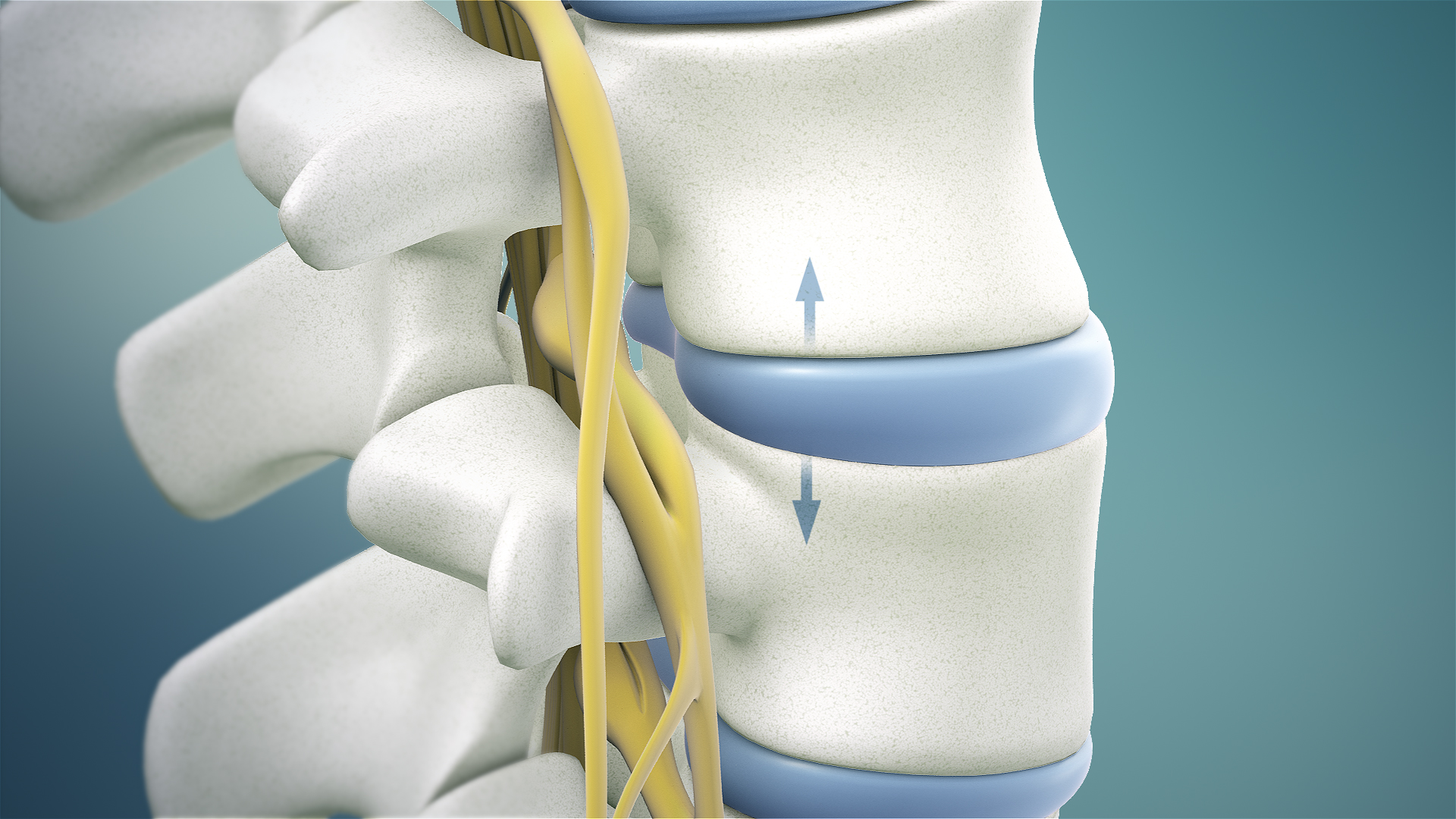
Spinal decompression therapy is a non-invasive treatment designed to relieve pressure on the spinal discs and nerves. It primarily targets conditions like herniated or bulging discs, degenerative disc disease, sciatica, and chronic back pain. The therapy involves the use of a specialized traction table or motorized device to gently stretch the spine.
The controlled stretching creates a negative pressure within the spinal discs, which can:
Pull bulging or herniated disc material back into place
Promote nutrient-rich blood flow to the affected discs
Reduce pressure on compressed spinal nerves, alleviating pain and discomfort
Unlike traditional traction methods, modern spinal decompression therapy is computer-controlled. This allows for precise adjustments that match the patient’s body size, spinal condition, and level of discomfort.
Spinal decompression therapy works by applying controlled mechanical distraction to the spine, gently stretching and relaxing it to create space between the vertebrae. This process reduces pressure on spinal discs, which can relieve pain caused by herniated or bulging discs, sciatica, degenerative disc disease, or compressed nerves. By creating negative pressure within the discs, spinal decompression encourages the flow of nutrients, oxygen, and fluids, promoting natural healing and disc rehydration. The therapy is non-invasive, typically performed on a specialized table, and tailored to each patient’s condition. It offers a safe alternative to surgery for many spine-related issues.
Before therapy begins, a chiropractor or spinal specialist performs a thorough assessment of your spine. This includes a physical examination, medical history review, and often imaging tests such as X-rays or MRI scans. These steps help identify areas of compression, herniation, or degeneration.
During treatment, the patient lies on a specialized decompression table. Straps secure the pelvis and torso to allow precise, controlled stretching. Proper positioning ensures that the correct areas of the spine are targeted while minimizing discomfort.
The table or device gently stretches the spine, alternating between stretching and relaxation. This intermittent stretching creates a negative pressure within the discs, which can help draw herniated or bulging disc material inward.
The negative pressure also encourages blood flow and nutrient exchange, promoting natural healing of damaged discs and tissues. Over time, this can help restore disc height, reduce nerve compression, and improve spinal flexibility.
Each session is carefully monitored by the specialist. Adjustments can be made in real-time to optimize the therapy for the patient’s comfort and effectiveness.
A typical session lasts between 20 and 45 minutes, and most patients undergo multiple sessions over several weeks to achieve optimal results.
Spinal decompression therapy is highly effective for a range of spinal conditions, especially those involving nerve compression, herniated or bulging discs, and degenerative disc disease. By gently stretching the spine, the therapy reduces pressure on compressed nerves and damaged discs, alleviating pain and discomfort in the back, neck, and legs. It also promotes improved blood flow and nutrient exchange in the affected areas, supporting natural healing and disc regeneration. This non-invasive treatment is tailored to each patient’s specific condition, making it a safe and efficient alternative to surgery. Many patients experience significant relief and improved mobility with consistent sessions.
A herniated disc occurs when the soft inner material of a spinal disc protrudes through its outer layer, often pressing on nearby nerves. Symptoms may include:
Sharp or burning pain in the back or neck
Radiating pain in the arms or legs
Numbness or tingling sensations
Spinal decompression therapy can reduce disc herniation, alleviate nerve pressure, and relieve pain without surgery.
Degenerative disc disease is a natural aging process in which spinal discs lose hydration and elasticity. This leads to chronic pain, stiffness, and reduced spinal mobility. Decompression therapy can help restore disc height, reduce nerve pressure, and improve overall spinal function.
Sciatica occurs when the sciatic nerve is compressed, often by a herniated disc or spinal stenosis. Symptoms include:
Sharp, shooting pain from the lower back to the legs
Numbness or tingling in the legs or feet
Difficulty standing or walking for long periods
By reducing pressure on the sciatic nerve, spinal decompression therapy can provide relief from these debilitating symptoms.
Spinal stenosis is the narrowing of the spinal canal, which can compress the spinal cord or nerve roots. Symptoms may include:
Pain or cramping in the legs while walking or standing
Numbness or weakness in the lower body
Reduced mobility
Spinal decompression therapy increases disc space, alleviating nerve compression and improving mobility.
Facet joints are small stabilizing joints in the spine that can become inflamed or arthritic. Symptoms may include localized pain, stiffness, or tenderness. Decompression therapy reduces pressure on these joints, relieving pain and improving spinal flexibility.
Spinal decompression therapy is generally safe and effective for adults suffering from chronic back or neck pain related to disc problems. Ideal candidates include:
Individuals with herniated or bulging discs
Patients experiencing chronic lower back or neck pain
People suffering from sciatica or leg pain due to nerve compression
Those seeking a non-surgical alternative for spinal pain relief
However, spinal decompression therapy may not be suitable for everyone. Patients with the following conditions should consult a physician before undergoing therapy:
Severe osteoporosis
Spinal fractures or instability
Tumors or infections affecting the spine
Pregnancy (in certain cases)
A qualified spinal specialist can evaluate your medical history, symptoms, and imaging results to determine if spinal decompression therapy is safe and appropriate.
Spinal decompression therapy provides significant advantages compared to traditional treatments for back and neck pain. Unlike surgery or long-term medication use, it is non-invasive and targets the root cause of discomfort by gently stretching the spine, relieving pressure on discs and nerves. This therapy can reduce chronic pain, improve mobility, and promote faster healing of herniated or bulging discs. Additionally, it often minimizes recovery time and lowers the risk of side effects associated with conventional treatments. Many patients experience noticeable improvements in flexibility, posture, and overall spinal health, making spinal decompression a safe, effective alternative for long-term relief.
Unlike surgery, spinal decompression therapy does not require incisions, anesthesia, or lengthy recovery times.
By reducing nerve and disc pressure, patients often experience significant pain relief in the back, neck, or extremities.
Decompression therapy restores spinal flexibility and range of motion, making daily activities easier and less painful.
By promoting blood flow and nutrient exchange, spinal decompression therapy encourages natural healing of damaged discs and tissues.
Patients may reduce or eliminate the need for pain medications, minimizing side effects and long-term dependency.
Computerized decompression devices allow specialists to tailor treatment to the patient’s unique spinal condition, ensuring optimal results.
Consistent therapy can help prevent further disc degeneration, improve posture, and support overall spinal health.
Before starting spinal decompression therapy, your specialist will develop a personalized treatment plan tailored to your specific condition, symptoms, and overall health goals. This plan begins with a thorough evaluation, including a review of your medical history, diagnostic imaging, and a physical assessment to identify the root causes of your spinal issues. Based on these findings, the specialist determines the appropriate duration, frequency, and intensity of therapy sessions to maximize effectiveness while ensuring safety. By customizing the approach, the treatment targets problem areas precisely, promotes optimal healing, reduces pain, and improves spinal function, supporting long-term wellness and mobility.
Most patients undergo 15–20 sessions over 4–6 weeks.
Each session lasts between 20–45 minutes.
During the session, patients typically lie on a decompression table while gentle stretching occurs. Most report feeling:
Mild stretching or pulling sensations in the back or neck
Relaxation similar to a gentle massage
Minimal to no pain
Some patients may experience temporary soreness afterward, similar to post-exercise muscle soreness. This usually subsides within 24–48 hours.
During spinal decompression therapy, specialists continuously monitor patient progress to ensure the treatment is effective and safe. They track changes in symptoms, such as pain levels, mobility, and overall comfort, while also considering patient feedback throughout the process. When necessary, imaging studies like X-rays or MRI scans may be used to assess improvements in disc health, nerve decompression, or spinal alignment. Based on these evaluations, specialists can make adjustments to the treatment plan, such as modifying session duration, frequency, or intensity. This careful, ongoing assessment ensures therapy is personalized, targeted, and optimized for the best possible outcomes and long-term spinal health.
Q1: Is spinal decompression therapy painful?
A: Most patients experience gentle stretching with little to no discomfort. Any mild soreness is usually temporary and resolves quickly.
Q2: How long does it take to see results?
A: Many patients notice improvement within a few sessions, while full benefits are typically achieved after several weeks of treatment.
Q3: Can spinal decompression therapy replace surgery?
A: For many patients, it is a safe alternative to surgery. However, severe cases or spinal instability may still require surgical intervention.
Q4: Are there any side effects?
A: Side effects are rare but can include temporary muscle soreness or mild discomfort. Most patients tolerate therapy well.
Q5: Who should avoid spinal decompression therapy?
A: Patients with severe osteoporosis, spinal fractures, certain tumors, or infections should avoid this therapy unless approved by a physician.
Q6: How does spinal decompression therapy compare to traditional traction?
A: Traditional traction provides a constant, uniform pull on the spine, whereas modern decompression therapy is computer-controlled, allowing intermittent, targeted stretching that is gentler and more effective.
Q7: Can children or teens undergo spinal decompression therapy?
A: This therapy is typically designed for adults, but in certain cases, adolescents with disc problems may benefit under careful supervision.
Many patients have reported life-changing results from spinal decompression therapy. For example:
John, 42: “I had a herniated disc that caused severe sciatica. After 10 sessions, the pain in my leg was gone, and I could finally sleep without discomfort.”
Maria, 35: “I tried medications and physical therapy for chronic lower back pain, but nothing worked. Spinal decompression therapy gave me lasting relief and improved my posture.”
Robert, 60: “Surgery wasn’t an option due to other health issues. This therapy helped me regain mobility and reduced my dependence on pain meds.
Spinal decompression therapy is a safe, effective, and non-invasive treatment option for individuals suffering from chronic back or neck pain, herniated discs, sciatica, and other spinal conditions. By reducing pressure on nerves and discs, this therapy promotes natural healing, improves mobility, and enhances overall quality of life.
For anyone seeking a non-surgical alternative to manage spinal pain and restore comfort, spinal decompression therapy is a highly recommended option under the guidance of a qualified specialist.
If you are struggling with chronic back or neck pain and want a non-surgical solution, contact Keller Disc & Spine, PLLC today. Their team of experienced specialists provides personalized spinal decompression therapy designed to relieve pain, improve mobility, and support long-term spinal health.
Contact Information:
Name: Keller Disc & Spine, PLLC
Address: 1710 Rufe Snow Dr #120, Keller, Texas 76248
Phone: (817) 656-1615
Email: info@kellerdiscspine.com
Website: https://kellerdiscspine.com
Take the first step toward a pain-free life—schedule your consultation today!