
Back pain is one of the most common health issues in the United States, affecting millions of people each year. From simple stiffness to debilitating chronic pain, back problems can severely impact your daily life, limiting mobility, affecting sleep, and even causing emotional stress. For many patients, the first thought when pain becomes persistent is surgery—a solution that often comes with risks, long recovery times, and uncertain outcomes.
Thankfully, modern medicine offers non-surgical solutions that can help patients manage and even overcome back pain. Two of the most effective approaches are spinal decompression therapy and stem cell therapy, treatments that target the root cause of pain rather than just masking the symptoms. At Keller Disc & Spine, PLLC in Keller, Texas, patients are discovering that surgery isn’t the only path to relief. With advanced technology, personalized care, and a focus on natural healing, these therapies are helping individuals regain mobility and return to the activities they love—without going under the knife.
This blog will explore how spinal decompression and stem cell therapy work, their benefits, patient success stories, and how Keller Disc & Spine combines these treatments for maximum results.
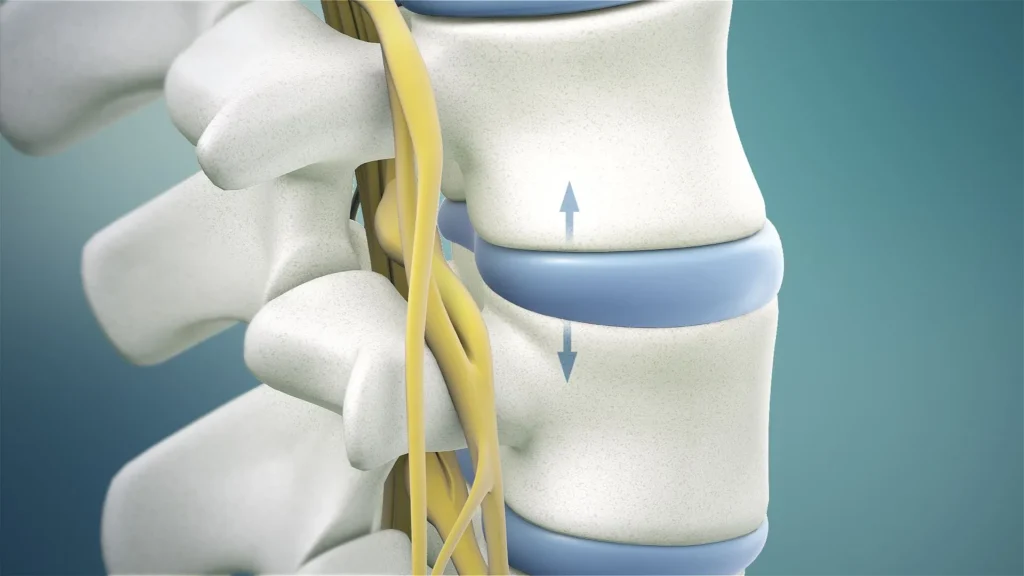
Before exploring treatment options for back pain, it is crucial to understand why it occurs. The human spine is an intricate and highly specialized structure, consisting of vertebrae, intervertebral discs, ligaments, muscles, and nerves. These components work together to provide stability, support body weight, and allow a wide range of movement. When any part of this delicate system is affected, discomfort or pain can arise.
Intervertebral discs, which act as cushions between the vertebrae, can degenerate over time or become herniated, leading to nerve compression and pain. Ligaments and muscles surrounding the spine play a significant role in maintaining posture and movement; strains or sprains in these tissues can cause acute or chronic pain. Nerves branching from the spinal cord are particularly sensitive, and even slight irritation or inflammation can result in sharp, radiating pain.
Back pain can also be influenced by lifestyle factors such as poor posture, prolonged sitting, heavy lifting, or lack of exercise, which can place added stress on the spine. Additionally, age-related changes, injuries, or underlying medical conditions like arthritis or osteoporosis can further compromise spinal integrity. Understanding the anatomy and mechanics of the spine helps in identifying the root cause of pain, which is essential for selecting effective and personalized treatment strategies.
Herniated or Bulging Discs – The discs between your vertebrae act as cushions. When these discs are damaged or displaced, they can compress surrounding nerves, causing pain, tingling, or numbness.
Degenerative Disc Disease – Over time, spinal discs can lose hydration and flexibility, leading to chronic pain and limited mobility.
Sciatica – When the sciatic nerve is compressed, often due to herniated discs or spinal stenosis, pain radiates from the lower back down the legs.
Spinal Stenosis – Narrowing of the spinal canal can put pressure on nerves, leading to pain, weakness, or numbness.
Muscle Strain and Ligament Injuries – Overuse, poor posture, or accidents can lead to soft tissue injuries that contribute to back discomfort.
Symptoms can range from mild discomfort to severe pain that limits walking, sitting, or even standing for long periods. Without treatment, these issues can worsen over time, increasing the risk of permanent damage.
Spinal decompression therapy is a non-invasive, drug-free treatment specifically designed to relieve pressure on the spinal discs and nerves. This therapy works by gently stretching the spine, creating negative pressure within the discs. This negative pressure can help retract herniated or bulging discs, promoting the flow of oxygen, water, and nutrients into the discs to aid in the healing process. By reducing pressure on compressed nerves, it can also alleviate pain, numbness, and tingling that often radiates into the arms or legs.
Unlike traditional surgical options, spinal decompression does not involve incisions, anesthesia, or prolonged recovery periods, making it an appealing choice for individuals who prefer conservative treatment methods. Sessions are typically performed using a specialized traction table, and each session is carefully controlled to target the specific area of the spine affected. Patients can often resume normal activities shortly after treatment, which is a significant advantage over invasive procedures.
This therapy is commonly recommended for conditions such as herniated or bulging discs, sciatica, degenerative disc disease, and chronic lower back pain. While results vary depending on the severity of the condition, many patients experience noticeable relief after several sessions, making spinal decompression therapy a promising alternative for managing spinal discomfort safely and effectively.
The therapy involves gentle stretching of the spine using a traction table or motorized device. By creating a negative pressure within the spinal discs, spinal decompression encourages:
Rehydration of discs – Disc material can absorb water and nutrients, promoting healing.
Reduction of nerve compression – Alleviating pressure on nerves can relieve pain, numbness, and tingling.
Promotion of natural healing – The body’s natural repair mechanisms are stimulated.
Restoration of mobility – Patients often regain flexibility and strength over time.
Spinal decompression is particularly effective for patients with:
Herniated or bulging discs
Sciatica or nerve root compression
Degenerative disc disease
Chronic lower back or neck pain
Non-invasive and safe – No incisions, anesthesia, or lengthy recovery.
Targets the root cause of pain – Rather than just masking symptoms.
Reduces dependency on medications – Many patients decrease or eliminate pain medications.
Improves mobility and quality of life – Patients often resume normal daily activities without discomfort.
Caroline Powell, a patient at Keller Disc & Spine, shares:
“I had spinal decompression therapy for my herniated disc, and the improvement was remarkable. I avoided surgery and returned to my normal activities faster than I expected.”
Larry Brett adds:
“My mother-in-law regained her mobility without surgery thanks to Dr. Gray. She’s back to enjoying her daily walks again!”
Stem cell therapy is an advanced treatment within the field of regenerative medicine, which focuses on harnessing the body’s natural ability to repair and regenerate damaged tissues. Unlike conventional treatments that primarily manage symptoms, stem cell therapy aims to address the root cause of spinal issues by promoting actual tissue repair. Stem cells are unique because they have the potential to develop into various specialized cell types, such as bone, cartilage, or ligament cells, depending on the needs of the injured area.
In the context of spinal health, stem cells can be used to target damaged discs, torn ligaments, or degenerative tissues, helping to restore their structure and function. When introduced into the affected area, these cells can stimulate the body’s natural healing processes, reduce inflammation, and potentially slow or reverse degeneration. This makes stem cell therapy particularly promising for individuals suffering from chronic back pain, herniated discs, or early-stage degenerative disc disease.
While research is ongoing, early studies and clinical experiences suggest that stem cell therapy can provide pain relief, improve mobility, and enhance overall spinal function. Additionally, because the therapy utilizes the patient’s own cells in many cases, the risk of rejection or adverse reaction is minimized. Stem cell therapy represents a modern, innovative approach to spinal care, offering hope for long-term recovery without the need for invasive surgery or prolonged medication use.
At Keller Disc & Spine, stem cells are carefully harvested and processed to ensure safety and effectiveness. When injected into the affected area, these cells can:
Reduce inflammation – Minimizing swelling and nerve irritation.
Stimulate tissue regeneration – Repairing damaged discs, ligaments, and cartilage.
Restore strength and flexibility – Improving spinal function and mobility.
Alleviate chronic pain – Offering long-term relief without invasive surgery.
Stem cell therapy is suitable for patients with:
Chronic lower back pain
Herniated or degenerated discs
Soft tissue injuries (ligaments, tendons)
Early-stage osteoarthritis
Minimally invasive – Typically performed with a small injection under guidance.
Promotes natural healing – Encourages the body to repair itself rather than replace tissue surgically.
Long-term relief for chronic conditions – Often more sustainable than temporary pain medications.
Reduces need for future surgeries – Can slow or reverse the progression of degeneration.
Patients undergoing regenerative therapies, including stem cell treatments and spinal decompression, often report noticeable improvements within just a few weeks of starting their program. Early benefits typically include reduced pain, decreased inflammation, and improved mobility, allowing patients to move more comfortably and perform daily activities with less strain. Over the following months, as the body continues its natural healing processes, many individuals experience progressive improvements in strength, flexibility, and overall spinal function.
For those struggling with chronic back pain, these therapies can be life-changing. Patients often regain the ability to perform routine tasks, such as lifting, bending, or standing for extended periods, without the persistent discomfort that previously limited their activities. Exercise, once difficult or impossible, becomes more manageable, enabling individuals to engage in fitness routines that further support spinal health. Additionally, improved physical function often enhances quality of life, reducing the emotional stress and frustration that accompany chronic pain.
While results may vary depending on the severity of the condition and individual health factors, the combination of pain relief, functional restoration, and long-term healing makes regenerative therapies a promising alternative to traditional treatments. By addressing the underlying causes rather than just masking symptoms, patients can experience sustained improvements and enjoy life more fully, free from the limitations of chronic spinal discomfort.
Many patients at Keller Disc & Spine achieve the best outcomes by combining spinal decompression and stem cell therapy. Here’s why:
Spinal decompression prepares the spine – Reducing pressure and improving disc hydration creates an ideal environment for stem cells to regenerate tissue.
Stem cells repair damaged tissues – While decompression addresses pain and nerve compression, stem cells repair the underlying damage.
Faster, longer-lasting results – Patients experience pain relief, improved function, and enhanced overall spinal health.
This combination allows patients to avoid invasive surgery, reduce recovery time, and regain an active lifestyle.
Beyond spinal decompression and stem cell therapy, Keller Disc & Spine provides comprehensive, holistic care for spine and joint health. Services include:
Regenerative Medicine – Repairing damaged tissues using biologics like stem cells and PRP (platelet-rich plasma).
PRP Therapy – Accelerates healing for muscles, ligaments, and tendons.
Chiropractic Care – Manual adjustments to restore spinal alignment and function.
Physical Therapy – Personalized exercises to strengthen muscles, improve flexibility, and reduce pain.
By integrating these services, Keller Disc & Spine offers customized treatment plans tailored to each patient’s needs, promoting long-term recovery and overall wellness.
Q: Is spinal decompression painful?
A: No, most patients feel comfortable and relaxed during the session.
Q: How long does stem cell therapy take to work?
A: Patients may notice improvement in a few weeks, with continued healing over months.
Q: Can these therapies replace surgery entirely?
A: Many patients avoid surgery using these treatments, but suitability depends on the severity of the condition.
Q: Are there any risks?
A: Both therapies are minimally invasive and generally safe when performed by trained professionals.
Q: How do I know which treatment is right for me?
A: A consultation at Keller Disc & Spine will help determine the most effective approach based on your diagnosis and goals.
Back pain doesn’t have to control your life. With spinal decompression and stem cell therapy, patients can address the root causes of their pain, stimulate natural healing, and restore mobility—all without invasive surgery. These modern, evidence-based treatments offer a safe, effective, and holistic alternative for anyone struggling with chronic spinal issues.
Take control of your health, reduce pain, and enjoy life again with personalized care from Keller Disc & Spine, PLLC.
Schedule a consultation today to explore non-surgical solutions for your back pain. Your journey to a pain-free, active life begins here.
Keller Disc & Spine, PLLC
Address: 1710 Rufe Snow Dr #120, Keller, Texas 76248
Phone: (817) 656-1615
Email: info@kellerdiscspine.com
Website: https://kellerdiscspine.com