
If you’ve been diagnosed with a herniated disc or struggle with sciatica, you understand how life-altering the pain can be. Symptoms like sharp, radiating nerve pain down the legs, chronic lower back discomfort, numbness, and muscle weakness can make daily activities feel unbearable. While many people think surgery is their only option, non-surgical spinal decompression therapy offers a proven, non-invasive solution.
At Keller Disc and Spine, we specialize in treating herniated discs and sciatica through advanced spinal decompression therapy. This technique gently stretches the spine, relieving pressure on compressed nerves and allowing the body to heal naturally. There’s no surgery, no medication, and no downtime—just targeted, science-backed relief designed to restore your mobility and quality of life.
Serving Keller, TX, and surrounding communities, our compassionate team works closely with each patient to develop a personalized treatment plan. Whether you’re dealing with a new diagnosis or chronic, lingering pain, we’re here to help you get your life back—pain-free.
Don’t let back pain or sciatica hold you back any longer. Contact Keller Disc and Spine today and discover how non-surgical spinal decompression can be the key to your recovery. Your path to relief starts here.
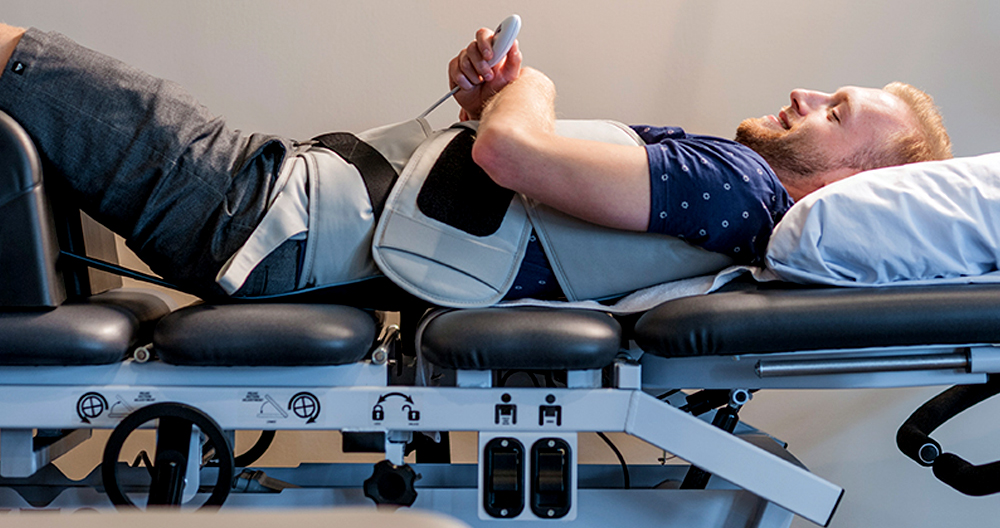
Spinal decompression therapy is a safe, non-surgical treatment that helps relieve pressure on the spinal discs and nerves—often the root cause of conditions like herniated discs and sciatica. Using a specialized motorized traction table or similar device, the spine is gently stretched in a controlled and precise manner. This stretching creates negative pressure within the discs, encouraging bulging or herniated material to retract back into place.
As pressure is reduced on the affected spinal nerves, pain and inflammation begin to subside. Additionally, the therapy improves circulation and promotes the flow of healing nutrients, oxygen, and fluids into the discs, supporting the body’s natural repair process. Spinal decompression is typically pain-free and can be an effective alternative to surgery or long-term medication use.
Many patients experience significant relief after just a few sessions, especially when combined with other supportive therapies. If you’re seeking a non-invasive way to address chronic back pain, sciatica, or disc issues, spinal decompression therapy may be the answer you’ve been looking for.
What is a herniated disc?
A herniated disc, also known as a slipped or ruptured disc, occurs when the soft, gel-like center of a spinal disc pushes through a tear in the tough outer layer. Spinal discs act as cushions between the vertebrae in the spine, absorbing shock and allowing flexibility. When a disc herniates, the protruding material can press on nearby spinal nerves, leading to pain, numbness, or weakness in the arms or legs, depending on the location of the disc. Most commonly, herniated discs occur in the lower back (lumbar spine), but they can also happen in the neck (cervical spine). Symptoms vary from mild discomfort to severe pain that affects daily activities. Causes may include age-related disc degeneration, lifting heavy objects improperly, or sudden movements. Treatment ranges from rest, physical therapy, and medications to more advanced options like steroid injections or, in severe cases, surgery. Early diagnosis helps prevent long-term complications:
Pain in the back, neck, or extremities
Tingling or numbness in the limbs
Muscle weakness
Reduced mobility
Common Causes
Aging and disc degeneration
Heavy lifting or twisting movements
Repetitive strain
Trauma or injury
Poor posture or obesity
Sciatica is a condition characterized by pain that radiates along the path of the sciatic nerve, which extends from the lower back through the hips and buttocks and down each leg. It typically affects only one side of the body. The most common cause of sciatica is compression or irritation of the sciatic nerve, often due to a herniated disc pressing against the nerve roots. Other possible causes include spinal stenosis, bone spurs, or muscle inflammation. Sciatica can result in sharp, burning, or shooting pain, along with numbness, tingling, or muscle weakness in the affected leg. The pain may worsen with prolonged sitting, sneezing, or sudden movements. While sciatica can be extremely uncomfortable, it often improves with non-surgical treatments such as rest, physical therapy, anti-inflammatory medications, and gentle stretching. In more severe or persistent cases, steroid injections or surgery may be recommended. Early intervention can help manage symptoms and prevent complications.
Symptoms of Sciatica
Sharp, shooting pain in the leg
Numbness or tingling in the foot or toes
Pain while sitting or standing
Muscle weakness in the lower extremities
Surgery for back problems such as herniated discs and sciatica can be costly, involve significant risks, and often require a lengthy and painful recovery period. While surgery may be necessary in extreme cases, many patients can avoid it by exploring less invasive options first. One of the most effective alternatives is spinal decompression therapy—a non-surgical, drug-free treatment designed to relieve pressure on the spine and promote natural healing.
Spinal decompression therapy gently stretches the spine using specialized equipment, creating negative pressure within the discs. This helps retract bulging or herniated discs, reduces pressure on pinched nerves, and improves the flow of nutrients and oxygen to damaged areas—supporting the body’s ability to heal itself. Unlike surgery, which carries risks such as infection, blood clots, or nerve damage, spinal decompression is low-risk, painless, and requires no downtime.
At Keller Disc and Spine, we’ve seen remarkable success in patients who were previously told surgery was their only option. With our advanced, evidence-based approach, many have found lasting relief and regained their quality of life without going under the knife. If you’re looking for a safer, more affordable solution to chronic back pain, spinal decompression therapy could be the answer you’ve been waiting for.
Non-invasive
Pain-free
Drug-free
FDA-cleared
Customizable for each patient
Most importantly, it addresses the root cause of pain—pressure on spinal discs and nerves—rather than just masking symptoms.
During a spinal decompression session at Keller Disc and Spine, the following occurs:
You lie on a specialized traction table.
A computer-controlled system applies gentle, intermittent stretching to your spine.
This stretching creates negative intradiscal pressure, pulling bulging or herniated material back into the disc.
It promotes nutrient-rich fluid, oxygen, and healing substances to flow into the disc, accelerating repair.
Each session lasts about 20–30 minutes, and patients typically complete a series of 15–30 treatments over several weeks.
1. Relieves Pressure on Nerves
The therapy helps relieve pressure on the spinal nerves, which in turn reduces pain, inflammation, and nerve irritation. By decompressing the spine, it promotes better circulation, enhances mobility, and supports the body’s natural healing process. This reduction in nerve compression can lead to significant relief from chronic back or neck pain, making daily activities more manageable and improving overall quality of life. It is a safe, non-invasive treatment option.
2. Encourages Disc Healing
Negative pressure within the disc space helps create a vacuum effect that gently pulls bulging or herniated disc material back into place. This retraction reduces pressure on surrounding nerves and tissues, which helps decrease pain and inflammation. At the same time, the negative pressure encourages the flow of oxygen, water, and nutrients into the disc, supporting its natural healing process and improving overall spinal health and function over time.
3. Improves Mobility
Many patients experience a significant return of mobility and flexibility that had been limited by chronic pain or stiffness. As the therapy reduces nerve compression and inflammation, movement becomes easier and more comfortable. This improvement allows individuals to resume daily activities, exercise, and enjoy a more active lifestyle. Regaining flexibility also helps prevent future injuries and supports long-term spinal health and overall physical well-being.
4. Reduces Inflammation
Increased circulation enhances the delivery of oxygen, nutrients, and healing factors to the affected area, promoting faster tissue repair and regeneration. This improved blood flow also helps flush out toxins and inflammatory byproducts, leading to a noticeable reduction in swelling and discomfort. As inflammation decreases, pain subsides, and mobility improves, allowing the body to heal more efficiently and function more effectively over time.
5. Avoids Surgery
With no need for incisions, anesthesia, or recovery downtime, spinal decompression offers a safe and non-invasive alternative to traditional spinal surgery. This gentle therapy targets the root cause of pain by relieving pressure on spinal discs and nerves, without the risks associated with surgical procedures. Patients can often return to their normal activities quickly, making it an appealing option for those seeking effective pain relief and improved spinal health without surgery.
At our Keller, TX clinic, we ensure every patient receives personalized care. Here’s what to expect:
Step 1: Comprehensive Evaluation
We’ll review your medical history, perform physical exams, and may order diagnostic imaging (like X-rays or MRIs).
Step 2: Custom Treatment Plan
Based on your diagnosis, we’ll create a decompression therapy plan tailored to your condition, weight, and comfort level.
Step 3: Treatment Sessions
You’ll receive comfortable, guided spinal decompression treatments with no downtime afterward.
Step 4: Progress Monitoring
We regularly assess your recovery and make adjustments as needed to ensure maximum benefit.
This therapy is ideal for people with:
Herniated or bulging discs
Degenerative disc disease
Facet syndrome
Sciatica
Chronic back pain
Failed back surgery syndrome
However, spinal decompression is not recommended for individuals with:
Spinal fractures
Tumors
Advanced osteoporosis
Metal implants in the spine
Pregnancy
A professional consultation at Keller Disc and Spine will determine if you’re a candidate.
“I suffered from sciatica for over a year. I thought surgery was my only option until I tried spinal decompression at Keller Disc and Spine. I’m now pain-free!”
— Mark L., Keller, TX
“I was skeptical at first, but after just a few sessions, my back pain started to subside. Highly recommend Dr. Snow and his team!”
— Jessica M., Fort Worth, TX
Q1: Does spinal decompression hurt?
No. It’s a gentle, relaxing process. Some patients even fall asleep during treatment.
Q2: How long does each session take?
Each session typically lasts 20–30 minutes.
Q3: How many sessions will I need?
Most patients see significant improvement in 15–30 sessions over 4–8 weeks.
Q4: Is it covered by insurance?
Coverage varies. We can help check your benefits during your consultation.
Q5: Can I resume normal activities after a session?
Yes! There is no downtime, so you can return to your normal routine immediately.
Q6: What if I’ve already had back surgery?
Spinal decompression can still be effective depending on your surgical history. Schedule a consultation to discuss your options.
Spinal decompression therapy is a safe, effective, and non-invasive treatment option for individuals suffering from herniated discs and sciatica. This advanced therapy works by gently stretching the spine, relieving pressure on the spinal discs and nerves, and promoting natural healing. At Keller Disc and Spine, we specialize in helping patients find long-lasting relief without the need for surgery or heavy medications. Our evidence-based approach has allowed countless individuals to overcome chronic pain, restore mobility, and return to their normal routines. Whether you’re experiencing persistent lower back pain, leg pain, or numbness due to a herniated disc or sciatica, spinal decompression therapy may provide the solution you’ve been searching for. Even if you’ve tried other treatments without success, this gentle and targeted approach can offer new hope. Don’t let back pain dictate your life. Visit Keller Disc and Spine to see how spinal decompression therapy can help you reclaim your health and well-being.
Ready to take the first step toward a pain-free life?
Call us today at (817) 656-1615 to schedule your free consultation or visit us at:
📍 1710 Rufe Snow Dr #120, Keller, TX 76248
🌐 www.kellerdiscspine.com
Let Keller Disc and Spine help you rediscover life without pain—naturally.